Bulky Waste in Facilities: How Do You Document the Transportation and Disposal Route?
19 Aug

Bulky Waste in Facilities: How Do You Document the Transportation and Disposal Route?

Wednesday August 19th, 2026

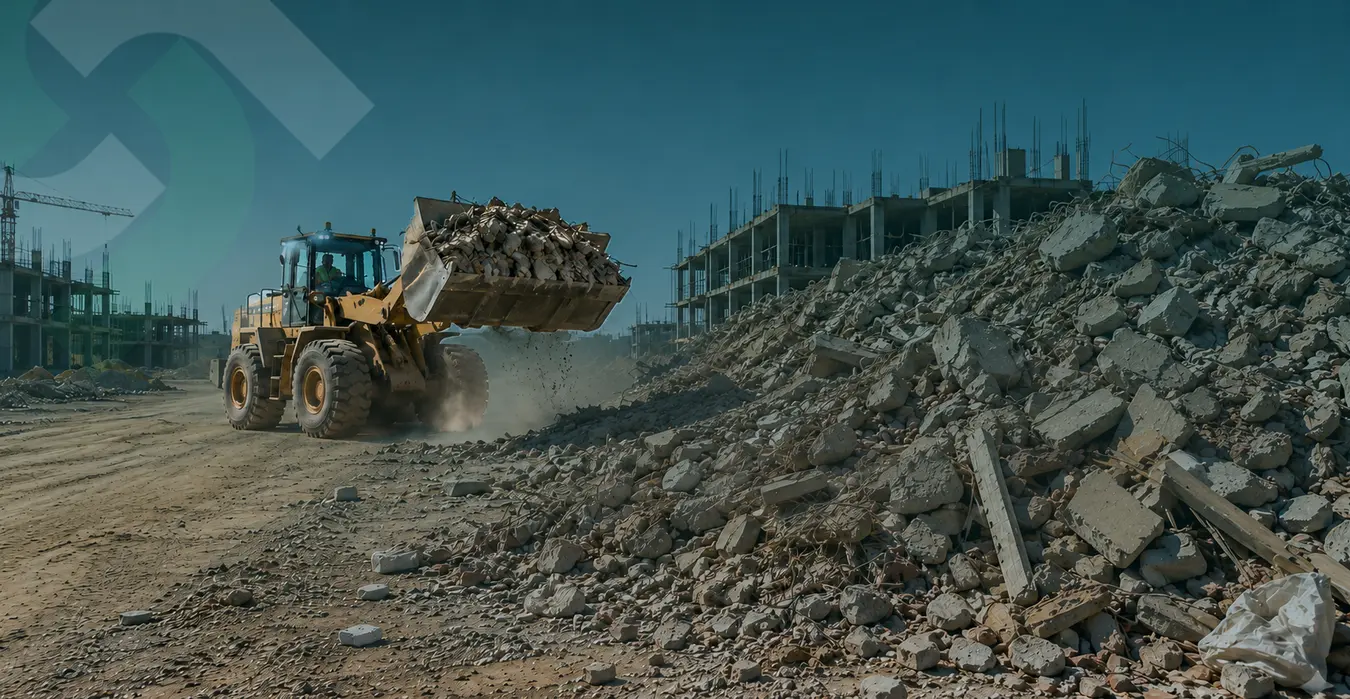
Bulky waste in facilities in Kuwait represents an administrative and environmental challenge for many sectors, particularly hotels, shopping malls, industrial facilities, and establishments that carry out periodic maintenance or renovation activities. Although this type of waste may not be generated every day, its accumulation or transportation without a clear record can make it difficult to trace its source or determine how it was ultimately handled.

Bulky waste includes many types of materials, such as used furniture, old equipment, timber, materials generated from fit-out and maintenance activities, and certain waste streams that require special arrangements during storage and transportation.

This highlights the importance of solid and liquid waste management as a fundamental part of environmental management within facilities. It helps organize the waste cycle from collection and segregation through transportation and appropriate handling in accordance with applicable environmental requirements and conditions in Kuwait.

The quality of waste management depends on having a clear methodology that includes documentation, monitoring, assignment of responsibilities, and review of operational procedures. Through environmental testing, analysis, and supervision services, SSG helps facilities assess their environmental needs and develop practical solutions suitable for the nature of their activities.

When Does a Facility Need to Document the Route of Bulky Waste in Kuwait?

A facility needs to document the route of bulky waste when noticeable quantities are generated as a result of maintenance activities, expansions, replacement of furniture and equipment, or periodic operational activities.

A monitoring record helps identify the source of the waste, its storage location, the transporting party, and the way it was handled.

Documentation becomes particularly important in the following cases:

  • Large commercial facilities such as shopping malls and hotels.
  • Construction projects and development sites.
  • Facilities carrying out replacement or modernization works.
  • Companies that need to demonstrate environmental management procedures within their operating systems.
  • Sites subject to periodic environmental reviews or audits.

Why Is Bulky Waste Management Important for Projects and Facilities in Kuwait?

Waste management is not limited to disposing of unwanted materials. It involves establishing an integrated system that helps the facility control the waste cycle and reduce potential environmental impacts.

The importance of organized waste management includes:

Improving Environmental Compliance

Organized waste management helps companies implement clearer procedures in line with relevant environmental requirements while taking into account the nature of the activity and the size of the facility.

Reducing Operational Disorder Within the Site

Leaving bulky waste inside a facility for extended periods may affect site organization and ease of movement, particularly in projects containing multiple operational areas.

Having a clear plan for collection, temporary storage, and transportation helps maintain a more organized working environment.

Facilitating Review and Traceability

When a monitoring record contains details of the waste and its transportation route, it becomes easier to review previous operations and identify opportunities for improvement.

A Monitoring Record May Include Information Such As:

  • Type of waste.
  • Source within the facility.
  • Collection date.
  • Temporary storage location.
  • Transportation information.
  • Evidence of final handling.

Reducing Risks Associated With Poor Management

The absence of a clear waste management system may lead to material accumulation or storage in unsuitable locations, increasing the need for future corrective actions.

What Is Meant by Documenting the Route of Bulky Waste?

Documenting the waste route is the process of recording and monitoring every stage that waste passes through from the moment it is generated within the facility until it is transported and finally handled.

This does not simply mean keeping a transportation document. It means creating a chain of information that helps explain the complete waste cycle.

The Process Usually Begins With:

  1. Identifying the Waste Source

The first step is to identify the area or department where the waste was generated.

For example:

  • Hotel room renovations.
  • Replacement of office furniture.
  • Maintenance of operating systems.
  • Upgrading facility equipment.
  • Removal of old materials from the site.
  1. Classifying the Waste Type

Handling methods vary according to the nature of the waste, so the type should be identified before transportation.

Examples of bulky waste include:

  • Used furniture.
  • Timber.
  • Unused equipment.
  • Large packaging materials.
  • Waste generated from fit-out and maintenance works.
  1. Identifying a Temporary Collection Area

A clear point should be designated for collecting waste before transportation while maintaining site organization and minimizing impact on daily operations.

  1. Recording the Transportation Process

This includes monitoring the removal of waste from the facility and documenting relevant information in accordance with the facility’s procedures and applicable requirements.

Why Do Facilities Need a Waste Monitoring Record?

A monitoring record is an important tool within environmental management systems because it provides a clear picture of how waste is handled within the facility.

The record helps with:

Monitoring Quantities and Types

Periodic recording allows the facility to understand the volume of waste generated, helping management make better decisions about waste reduction and improved handling methods.

Evaluating Contractors or Transportation Service Providers

When external parties are used, a clear record helps review transportation activities and verify that the process is properly organized.

Supporting Environmental Management Plans

Waste data can be incorporated into Environmental Management Plans for projects and facilities to improve performance and reduce potential environmental impacts.

Providing Information When Reviews Are Required

A facility may need to refer to historical data to understand how waste was handled or to evaluate current procedures.

How Do You Establish a Practical System for Documenting the Route of Bulky Waste Within a Facility?

Creating a clear system for managing bulky waste in facilities in Kuwait does not depend solely on removing waste after it accumulates. It begins with planning and daily monitoring.

The main objective is to ensure that the facility can identify where the waste came from, how it was handled, and which route it followed until leaving the site.

The System Can Be Built Through Several Practical Steps:

1. Identify Waste Sources Within the Facility

Before developing any plan, identify the locations that generate bulky waste because the nature of waste varies according to the type of activity.

For example:

Hotels:

  • Replacement of furniture and room contents.
  • Renovation and maintenance works.
  • Replacement of interior fittings.

Shopping Malls:

  • Retail unit upgrades.
  • Removal of old fittings.
  • Maintenance and development waste.

Industrial Facilities:

  • Replacement of equipment.
  • Periodic maintenance.
  • Upgrading operational lines.

Construction Projects:

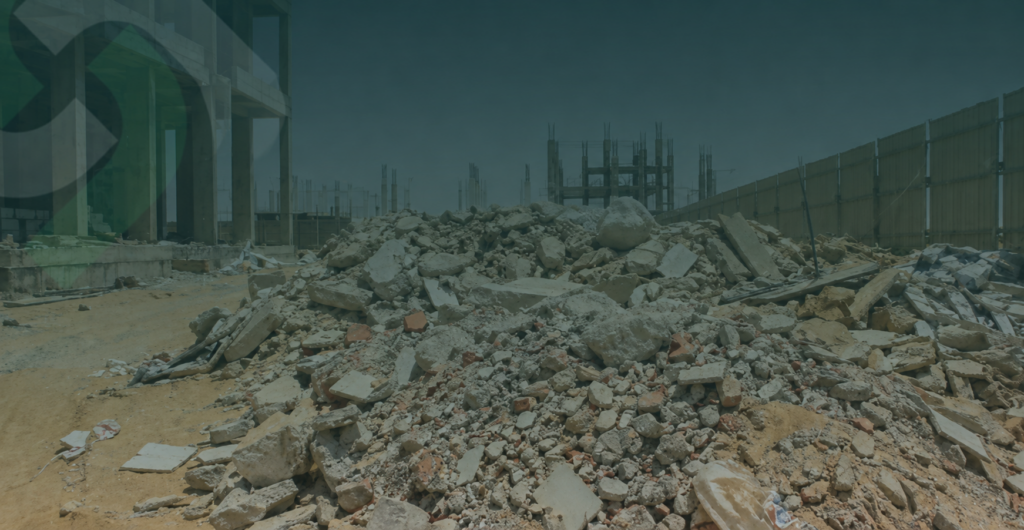
  • Demolition or modification works.
  • Large material residues.
  • Site fit-out waste.

Identifying these sources helps establish appropriate collection, storage, and transportation arrangements.

2. Establish a Temporary Waste Collection Area

One common mistake is leaving bulky waste randomly throughout the site, which may interfere with operations or create environmental observations.

It is therefore preferable to establish a temporary collection area that considers:

  • Easy access during transportation.
  • No interference with employee or equipment movement.
  • Clearly defined monitoring responsibility.
  • Maintenance of site organization.

Requirements for this area vary depending on the nature of the project, waste size, and type of activity.

3. Prepare a Waste Monitoring Record

The monitoring record is one of the most important elements of environmental waste management because it converts an unstructured activity into a system that can be reviewed and improved.

The record may include:

Item Details
Waste type Furniture, equipment, timber, other materials
Waste source Department or area within the facility
Collection date Date waste leaves the operational area
Approximate quantity Estimated volume or number of units
Collection location Temporary storage area
Transportation information Details of the transportation process
Evidence of handling Associated documents or records

Having this information helps management monitor environmental performance and make clearer decisions.

4. Document Transportation and Disposal Activities

Transportation should not be treated as a separate step from the environmental management system. It should form part of an integrated chain that begins at the waste source and ends with its final handling.

Documentation generally includes:

  • Transportation date.
  • Type of waste transported.
  • Quantity or approximate volume.
  • Information about the transporting party according to the applicable procedures.
  • Documents related to transportation or final handling.

Required procedures depend on the type of waste, nature of the project, and relevant environmental requirements in Kuwait.

What Are the Risks of Not Having a Clear Bulky Waste Management System?

Unorganized waste handling may create a range of operational and environmental challenges, particularly in large facilities that regularly deal with substantial volumes of waste.

1. Difficulty Demonstrating How Waste Was Handled

Without a clear record, it becomes difficult to review what happened to waste after it left the facility.

A documentation system provides information that can be reviewed when necessary.

2. Increased Disorder Within the Site

Accumulation of old furniture, unused equipment, or other bulky waste in operational areas may affect:

  • Site organization.
  • Ease of movement.
  • Efficiency of daily operations.

3. Increased Operational Risks

Poorly organized collection areas or leaving waste for extended periods may create site management and operational safety challenges.

4. Difficulty Improving Environmental Performance

Without clear information, it becomes difficult to determine:

  • How much waste is generated.
  • Which sources generate the most waste.
  • Opportunities for waste reduction.
  • Ways to improve management.

This highlights the importance of Environmental Management Plans in helping facilities establish more organized and traceable procedures.

What Should Be Reviewed Before Requesting Environmental Consultancy for Waste Management?

Before contacting an environmental consultancy company in Kuwait, it is preferable to prepare information that helps determine the project’s actual needs.

Waste Management Review Checklist

✓ Type of Activity

  • Hotel.
  • Shopping mall.
  • Industrial facility.
  • Construction project.
  • Service facility.

✓ Project Location

  • City.
  • Nature of the surrounding area.
  • Site size.

✓ Project Stage

  • New project.
  • Operational phase.
  • Expansion.
  • Development or maintenance works.

✓ Scale of Operations

  • Number of buildings or facilities.
  • Waste-generation rate.
  • Number of collection points.

✓ Previous Studies or Plans

  • Previous Environmental Management Plans.
  • Review reports.
  • Waste records.

✓ Available Data

  • Transportation records.
  • Waste quantities.
  • Waste types generated.

✓ Relevant Regulatory Requirements

  • Nature of the activity.
  • Regulatory authorities associated with the project.
  • Applicable environmental regulations.

✓ Potential Risks

  • Waste accumulation.
  • Improper storage.
  • Impact on operations.

Practical Table for Selecting the Appropriate Environmental Waste Management Service

Project Type Appropriate Service Objective
Commercial facility or hotel Solid waste management Organize collection, storage, and transportation
Construction project Environmental supervision of projects Monitor environmental procedures during implementation
Industrial facility Environmental Management Plan Develop a comprehensive waste management system
Existing facility requiring review Environmental audit Assess current conditions and identify improvement opportunities
Expansion project Environmental needs assessment Determine suitable requirements before implementation

How Do You Choose an Environmental Consultancy Company in Kuwait for Waste Management?

Selecting the appropriate consultancy depends on several important factors because the nature of each project is different.

Experience With the Nature of the Activity

The needs of a hotel differ from those of a factory or construction project. The consultancy should therefore be based on an understanding of the sector rather than generic solutions.

Understanding Environmental Requirements in Kuwait

Knowledge of relevant environmental requirements and regulations helps develop solutions that are more closely aligned with the project’s circumstances.

Ability to Prepare Studies and Plans

Waste management requires more than a general recommendation. It requires reviewing current conditions and developing practical procedures that can actually be implemented.

Clear Working Methodology

This includes:

  • Assessing current conditions.
  • Collecting information.
  • Identifying opportunities for improvement.
  • Preparing recommendations.
  • Following up implementation where necessary.

Focus on Practical Solutions

The objective of environmental consultancy is not merely to produce a report but to help the facility improve management practices and reduce operational challenges.

How Can SSG Help Manage Bulky Waste and Improve Environmental Performance?

Modern facilities need practical environmental solutions that help organize operations and reduce waste-related challenges.

Sustainable Solutions Group for Environmental Consultancy — SSG — provides environmental services that help companies and projects in Kuwait assess their needs and establish procedures appropriate to the nature of their activities.

SSG’s methodology is based on understanding actual facility conditions before defining solutions because waste management requirements vary according to:

  • Type of activity.
  • Facility size.
  • Nature of operations.
  • Quantity and types of waste generated.
  • Project location.
  • Relevant environmental requirements.

Areas of support provided by SSG include:

Assessment of Current Waste Management Conditions

Effective waste management begins with understanding current conditions within the facility.

The review may cover:

  • Waste sources.
  • Collection areas.
  • Temporary storage procedures.
  • Current transportation methods.
  • Existing monitoring records.
  • Opportunities for performance improvement.

This assessment helps identify operational gaps and develop suitable improvement measures.

Preparing Environmental Waste Management Plans

An Environmental Management Plan is an important tool for helping facilities organize waste management by defining:

  • Responsibilities within the site.
  • Collection and storage procedures.
  • Monitoring mechanisms.
  • Documentation methods.
  • Environmental performance indicators.

Plan details vary according to the nature, scale, and requirements of the project.

You can learn more about Environmental Management Plan preparation services through the SSG website.

Environmental Supervision of Projects

In construction and development projects, environmental supervision services help monitor implementation of environmental procedures during project execution.

This may include monitoring:

  • Organization of waste storage areas.
  • Compliance with site procedures.
  • Reduction of potential environmental impacts.
  • Issuing observations and recommendations where necessary.

Environmental supervision becomes particularly important in projects involving multiple implementation phases or continuous waste transportation activities.

Environmental Testing, Analysis, and Assessment

In some situations, facilities require field data to support better decision-making. This is where environmental testing and analysis services may be useful.

These services can help:

  • Collect required information.
  • Assess certain environmental indicators.
  • Support environmental reports and studies.
  • Provide more accurate information about site conditions.

The scope of environmental testing and analysis services can be reviewed according to the specific needs of the project.

Steps to Request Environmental Consultancy From SSG for Waste Management

If a facility needs to develop its waste management system or review current conditions, the following process can be used:

  1. Contact the SSG Team

The first step is to provide basic information about the facility and the nature of its activities.

  1. Send Project Information

Useful information includes:

  • Type of facility.
  • Project location.
  • Nature of waste generated.
  • Scale of operations.
  • Any previous records or reports.
  1. Review the Nature of the Activity

The environmental consultancy team reviews project needs to determine the appropriate scope of work.

  1. Determine the Required Service

The appropriate service may include:

  • Environmental assessment.
  • Waste Management Plan preparation.
  • Environmental supervision.
  • Testing and analysis.
  • Review of existing procedures.
  1. Conduct the Study or Consultancy

The agreed scope is implemented according to the nature of the project and available data.

  1. Provide Findings and Recommendations

Deliverables typically include recommendations that help the facility improve environmental management and make clearer decisions.

Frequently Asked Questions About Bulky Waste in Facilities in Kuwait

What Is Meant by Bulky Waste in Facilities?

Bulky waste refers to materials with dimensions or sizes larger than typical daily waste, such as used furniture, old equipment, and some materials generated from maintenance and development works.

Management methods vary according to the type of material and nature of the activity. Facilities therefore need a clear system for collection, storage, and transportation.

Why Do Facilities Need a Waste Monitoring Record?

The monitoring record helps document the waste cycle from its source within the facility through transportation and final handling.

It also provides information that helps management review environmental performance, identify recurring waste sources, improve management procedures, and reduce operational problems associated with waste accumulation.

Does Waste Management Differ According to the Type of Facility?

Yes. Waste management differs according to the nature of the activity and scale of operations.

The needs of a hotel or shopping mall differ from those of a factory or construction project.

Appropriate procedures should therefore be determined after reviewing project details, the types of waste generated, and operating methods.

What Information Is Required Before Starting a Waste Management Consultancy?

An environmental consultancy company will generally require information such as the type of activity, facility location, nature of waste generated, scale of operations, current storage methods, and any previous environmental records or reports.

This information helps determine the appropriate scope of work and develop solutions more closely aligned with project requirements.

Does SSG Provide Services for Industrial and Construction Projects?

Yes. SSG provides environmental services for projects and facilities across different sectors, including environmental support for industrial, construction, and infrastructure projects.

The appropriate service is determined after reviewing project requirements and may relate to waste management, environmental supervision, or preparation of environmental plans.

How Do Environmental Consultancies Help Companies in Kuwait?

Environmental consultancies help companies understand the requirements associated with their activities, improve environmental management procedures, and reduce operational risks arising from poor management of environmental aspects.

They also support clearer decision-making through studies and assessments based on actual data.

Contact SSG for Environmental Consultancy

Managing bulky waste requires a clear system that balances the facility’s operational requirements with its environmental objectives.

Through environmental assessment, waste management services, and environmental supervision, SSG helps companies and projects in Kuwait develop more organized and effective procedures.

If you are planning to develop your facility or need to review how waste collection points around your site in Kuwait are managed, you can contact SSG to assess the project’s needs and determine the appropriate environmental service.