Water in Facility Storage Tanks: When Do Facilities in Kuwait Need Water Tank Testing?
12 Aug

Water in Facility Storage Tanks: When Do Facilities in Kuwait Need Water Tank Testing?

Wednesday August 12th, 2026

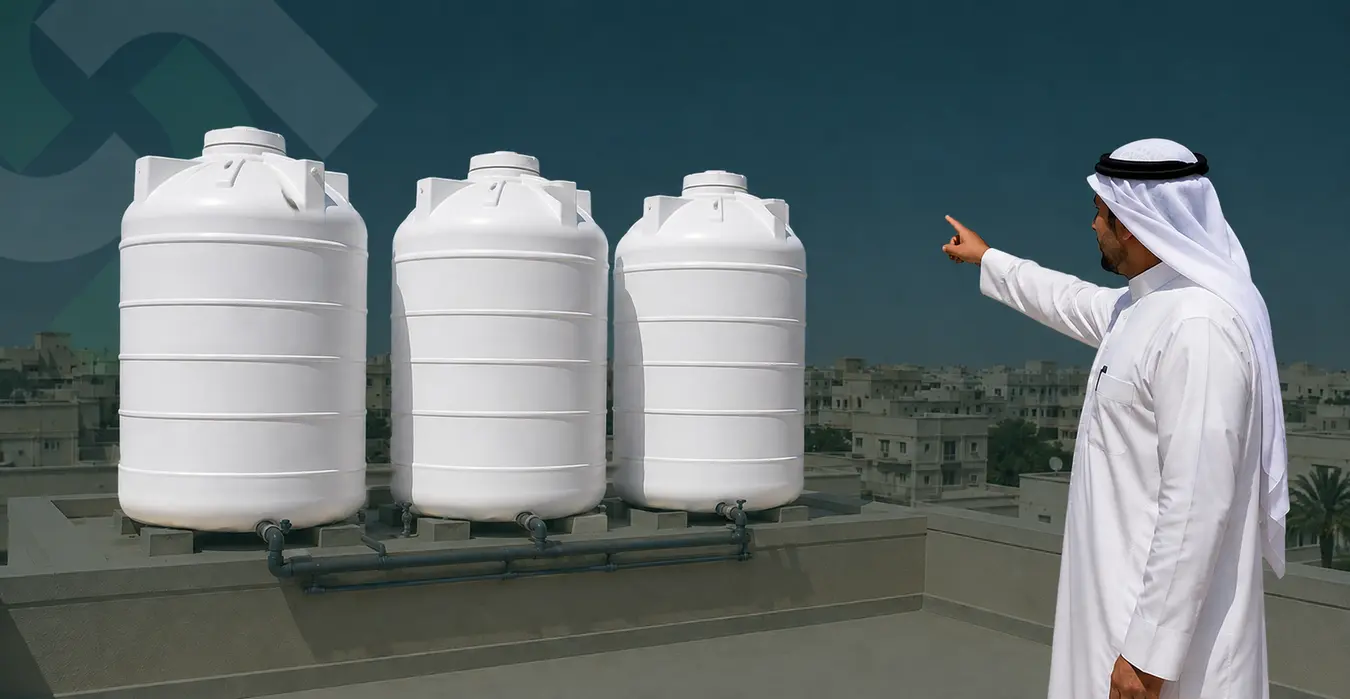
Facilities in Kuwait need to verify the quality of water stored in their tanks before operation and during different stages of use. Water tank testing for facilities in Kuwait helps assess the condition of the water and determine whether it is suitable for its intended use according to the nature of the facility and the relevant environmental and health requirements.

Water quality cannot be evaluated based on appearance alone. Some conditions may require laboratory analysis or field inspection to determine the actual quality of the water. Therefore, the first step usually involves gathering information about the type of facility, the intended use of the water, the condition of the tanks, and then identifying the appropriate tests.

Environmental testing and analysis services help facilities make clearer decisions, reduce risks associated with water quality, and improve environmental and operational management.

When Does a Project Need Water Tank Testing in Kuwait?

A facility may need water tank testing when it begins operating for the first time, after maintenance or cleaning work, when there is a change in water characteristics such as color, odor, or taste, or when observations related to water quality arise.

Facilities may also need periodic testing depending on the nature of the activity, volume of use, and relevant regulatory requirements. Testing needs may differ between commercial, industrial, residential, and service facilities.

Why Is Water Tank Testing for Facilities in Kuwait Important Before Operation?

Water is an essential element in the operation of many industrial, commercial, and service facilities. Verifying water quality before use helps improve operational management and reduce the likelihood of future problems.

The quality of the assessment depends on understanding the nature of the facility, the water source, and the storage system. Requirements may vary according to:

  • Type of activity.
  • Tank capacity.
  • Method of use.
  • Storage duration.
  • Operating conditions.
  • Nature of the site.

Environmental testing and analysis can provide data that helps responsible personnel assess the condition of the water and take appropriate action based on the results.

What Is Meant by Water Tank Testing for Facilities?

Water tank testing is an assessment process that involves collecting water samples from storage tanks and analyzing them according to a methodology suitable for the facility and the purpose of the assessment.

The process is not limited to taking a sample. It includes several steps that help provide a clearer picture of the water condition, such as:

Reviewing Tank Conditions

The review may include:

  • Internal condition of the tank.
  • Storage method.
  • Cleaning and maintenance procedures.
  • Length of time the tank has been in use.
  • Any recent operational changes.

Collecting Water Samples Appropriately

The sampling method can affect the accuracy of the results, so the following should be considered:

  • Selecting an appropriate sampling point.
  • Following organized sampling procedures.
  • Recording sample information.
  • Linking the results to operating conditions.

Analyzing Results and Preparing the Report

Once testing has been completed, the data is analyzed and a report is prepared to help the facility understand the current condition of its water and identify appropriate actions where necessary.

Environmental reports help companies make clearer decisions instead of relying on undocumented observations.

What Types of Facilities May Need Water Tank Testing?

The need for testing varies according to the nature of the facility and how water is used. Examples of sectors that may require this service include:

Industrial Facilities

Industrial facilities may need to monitor water quality because water may be connected to operational processes or supporting services within the site.

Testing may be required for:

  • Factories.
  • Industrial areas.
  • Production facilities.
  • Storage and operational facilities.

Commercial and Administrative Facilities

Commercial and administrative buildings may need to assess the quality of water used within the facility, particularly where storage tanks or internal distribution systems are present.

Service Facilities and Public Facilities

These may include:

  • Educational facilities.
  • Healthcare facilities.
  • Shopping malls.
  • Facilities serving large numbers of users.

New Projects Before Operation

For new projects, water testing helps establish an initial understanding of the condition of the tanks and associated systems before actual operation begins.

When Does Water Tank Testing Become Necessary?

There are several situations in which testing becomes an important part of a facility’s operational and environmental management.

When a New Facility Begins Operation

Before the facility is placed into service, management may need to verify the condition of the water inside the tanks and document the initial status.

After Maintenance or Cleaning

Testing after maintenance or cleaning can help review the condition of the water and determine whether it is suitable for the intended use.

When Water Characteristics Change

For example:

  • Change in color.
  • Appearance of an unusual odor.
  • Change in taste.
  • Complaints or observations from users.

In these situations, organized testing can help identify the nature of the problem rather than relying on assumptions.

When Operating Conditions Change

Facilities may need to review water quality when:

  • The site is expanded.
  • The number of users increases.
  • Operational processes change.
  • Storage systems are modified.

What Are the Risks of Ignoring Water Tank Testing?

Failure to monitor water quality within facilities may lead to several operational challenges.

Difficulty Identifying the Source of a Problem

When water-related observations arise without previous data, determining the cause may become more difficult.

Increased Operational Risks

Periodic testing can help identify changes that require review before they develop into larger problems.

Reduced Ability to Make Informed Decisions

Effective environmental management depends on data. Reports and analyses therefore provide information that helps responsible personnel plan more effectively.

Higher Future Corrective Costs

Identifying issues at an early stage can reduce the need for more extensive corrective measures later.

Impact on Environmental Compliance

Regular environmental monitoring helps facilities improve compliance with relevant requirements and regulations depending on the nature of their activities.

What Should Be Reviewed Before Requesting Water Tank Testing in Kuwait?

Before requesting water tank testing for facilities in Kuwait, it is important to prepare information that helps define the appropriate scope of work and determine the required tests.

The accuracy of the assessment depends on understanding the nature of the facility and its operating conditions, rather than simply collecting a water sample.

Each facility has different circumstances, so testing requirements vary according to sector, volume of use, tank location, and the type of water being used.

Checklist Before Requesting Environmental Water Testing

Type of Activity

The nature of the facility should be identified, such as:

  • Industrial facility.
  • Administrative building.
  • Commercial facility.
  • Service facility.
  • Construction project.
  • Operational facility.

The type of activity helps determine the purpose of the testing and the appropriate scope of analysis.

Project Location

This includes:

  • Facility location within Kuwait.
  • Nature of the surrounding area.
  • Number of tanks.
  • Tank installation locations.
  • Accessibility of the tanks.

Operating conditions may differ between industrial, commercial, and residential locations.

Project Stage

The need for water testing may differ according to the stage of the facility, including:

  • Before operation of a new project.
  • After completion of construction.
  • After tank maintenance or cleaning.
  • During continuous operation.
  • When water-quality observations are reported.

Scale of Operations and Use

Important information may include:

  • Number of users.
  • Quantity of stored water.
  • Number of tanks.
  • Water consumption rate.
  • Nature of water use within the facility.

Previous Results or Reports

Where available, previous information can help identify changes over time, including:

  • Previous water-analysis reports.
  • Maintenance records.
  • Cleaning reports.
  • Operational observations.
  • Complaint records.

Available Environmental Information

This may include:

  • Tank drawings.
  • Water source.
  • Internal distribution system.
  • Existing maintenance procedures.
  • Environmental monitoring records.

Relevant Regulatory Requirements

Requirements vary according to the type of facility and the nature of the activity. The testing scope should therefore be determined according to relevant environmental regulations and applicable requirements in Kuwait.

Some projects may also need to consider requirements from competent environmental authorities or other regulatory bodies associated with the activity.

Potential Risks

It is important to identify any existing observations, such as:

  • Changes in water color.
  • Unusual odors.
  • Sediment.
  • Delayed tank cleaning.
  • Changes in operating conditions.

This information helps direct the testing process more accurately.

Practical Table to Help You Choose the Appropriate Environmental Service

Type of Facility Appropriate Service Objective
New facility before operation Water tank testing and sample analysis Assess the initial condition of the water
Existing facility with water-quality observations Environmental testing and analysis Determine water condition using technical data
Industrial facility Environmental assessment + appropriate analysis Support environmental and operational management
Facility after tank cleaning Water-quality testing Review conditions after maintenance
Project seeking improved environmental management Environmental Management Plan preparation Organize procedures and monitoring

The appropriate service depends on the nature of the project and the objective of the testing. Therefore, the final scope of work should be determined after reviewing the facility’s details.

How Do You Choose an Environmental Consultancy Company in Kuwait for Water Testing?

Selecting the appropriate company to conduct environmental testing and analysis helps facilities obtain results that are more closely connected to actual operating conditions.

Important criteria include:

Experience Across Different Sectors

Industrial facilities have different requirements from commercial or service facilities, so it is important to work with a company that understands different types of activities.

Experience helps with:

  • Selecting appropriate testing points.
  • Understanding operating conditions.
  • Interpreting results correctly.
  • Providing practical recommendations.

Ability to Conduct Testing and Analysis

Environmental work is not limited to preparing a report. It depends on an organized process that may include:

  • Reviewing current conditions.
  • Collecting samples.
  • Performing appropriate analyses.
  • Interpreting results.
  • Providing recommendations.

Understanding Environmental Requirements in Kuwait

The quality of environmental consultancy depends on understanding the local regulatory environment because requirements vary according to sector, project size, and location.

Local experience can therefore help develop solutions that are more suitable for the facility.

A Clear Working Methodology

The consultancy should follow defined steps beginning with understanding the issue and ending with practical recommendations.

The methodology usually includes:

  1. Reviewing project information.
  2. Defining the testing scope.
  3. Conducting the required tests.
  4. Analyzing the results.
  5. Preparing the report.
  6. Providing recommendations.

Practical and Applicable Solutions

The purpose of water testing is not simply to obtain numerical results. It is to help the facility understand its current condition and make appropriate decisions to improve operational and environmental management.

How Can SSG Help You Achieve Your Environmental Objectives?

SSG Sustainable Solutions Group provides environmental consultancy and solutions for facilities and projects in Kuwait, with a focus on data-based assessments that help companies improve their environmental performance.

Through environmental testing and analysis services, SSG helps facilities assess water quality and collect the information required to understand operational and environmental conditions.

SSG services include:

  • Environmental testing and analysis.
  • Testing and analysis of environmental samples.
  • Preparation of environmental reports.
  • Environmental Management Plan preparation.
  • Environmental supervision of projects.
  • Environmental risk assessment.
  • Support for compliance with relevant environmental requirements.

SSG’s methodology begins by reviewing the nature of the activity and the project’s requirements before determining the service most appropriate to the facility.

Steps to Request Water Tank Testing From SSG

1. Contact the SSG Team

The process begins by explaining the nature of the facility and the purpose of the testing, whether before operation or because observations have been made regarding water quality.

2. Send Project Information

Basic information includes:

  • Type of facility.
  • Project location.
  • Number of tanks.
  • Nature of water use.
  • Any current observations.

3. Review the Nature of the Situation

Available information is assessed to determine the appropriate scope of work.

4. Determine the Required Service

The service may include:

  • Water tank testing.
  • Environmental testing and analysis.
  • Operational condition assessment.
  • Preparation of environmental recommendations.

5. Conduct the Testing and Prepare the Report

The appropriate procedures are carried out and the necessary data is collected to prepare a report that helps the facility understand the condition.

6. Provide Findings and Recommendations

After analyzing the results, the facility receives information that supports clearer decision-making and improved environmental management procedures.

Contact SSG for Environmental Consultancy

If you manage a new or existing facility and need water tank testing for facilities in Kuwait or an assessment of water quality at your site, you can contact SSG for an initial assessment of your project’s needs and to determine the appropriate environmental service.

SSG can help you understand the condition of the facility and define the required scope of testing and analysis according to the nature of the activity and relevant environmental requirements.

Frequently Asked Questions About Water Tank Testing for Facilities in Kuwait

When Does a Facility Need Water Tank Testing Before Operation?

A facility may need water tank testing before operation when a new project begins or after construction and maintenance work has been completed, with the aim of assessing the condition of the water inside the tanks before use.

Existing facilities may also require testing when water quality changes or operational observations arise. The testing scope should be determined according to the nature of the activity and relevant requirements.

Why Is Water Tank Testing for Facilities in Kuwait Important?

Water tank testing for facilities in Kuwait provides clear information about the condition of the water inside storage tanks, supporting more accurate operational and environmental decisions.

Testing can also identify changes that require review and improve management and monitoring procedures, particularly in facilities that depend on water-storage systems in their daily operations.

What Is the Difference Between Water Tank Inspection and Water Analysis?

Water tank inspection refers to the overall process, which may include reviewing the condition of the tank, collecting samples, and assessing operating conditions.

Water analysis focuses specifically on tests conducted on the water sample to obtain technical data and results.

Inspection and analysis are often combined to provide a more comprehensive assessment of water conditions.

Do Water Testing Requirements Differ According to the Type of Facility?

Yes.

Testing requirements differ according to the nature of the activity, size of the facility, and how the water is used.

Industrial facilities may require assessments that differ from those needed by commercial buildings or service facilities. Therefore, the testing scope should be defined after reviewing project details and operating conditions.

What Information Is Required Before Water Tank Analysis?

Basic information may include:

  • Type of facility.
  • Project location.
  • Number of tanks.
  • Water source.
  • Nature of use.
  • Any previous observations such as changes in color or odor.

Previous reports and maintenance records can also help provide a clearer understanding of the condition of the tanks and water.

Does SSG Provide Water Tank Testing and Analysis Services?

SSG provides environmental testing and analysis services for facilities and projects in Kuwait. The scope of service is determined according to the nature of the project and its specific environmental requirements.

Services may include assessing current conditions, carrying out appropriate analyses, and preparing reports that help facilities make clearer decisions.

Does Every Project Need the Same Type of Environmental Testing?

No.

Required testing varies according to the nature of the project and the objective of the assessment.

Some facilities may only require water-quality assessment, while others may need a broader range of environmental analyses or reviews.

The required scope is determined after studying the activity and site details.

How Does Environmental Consultancy Help Improve Facility Management?

Environmental consultancy helps companies understand potential risks, improve operating procedures, and establish appropriate monitoring plans.

Environmental studies and analyses also provide information that helps responsible personnel improve performance and reduce issues related to environmental management.

“Neglecting periodic water tank testing may expose employees and visitors to health risks and could place your facility at risk of regulatory non-compliance. At SSG, we provide water tank testing for facilities supported by accredited laboratory reports that help improve workplace environmental quality and support compliance with applicable health requirements in Kuwait. Contact our experts today to schedule sample collection and tank-water testing.”