

Saturday September 19th, 2026
Is Your Environmental Emergency Plan Executable? Five Points to Review Before Testing
What is an environmental emergency plan review? It is a structured check...
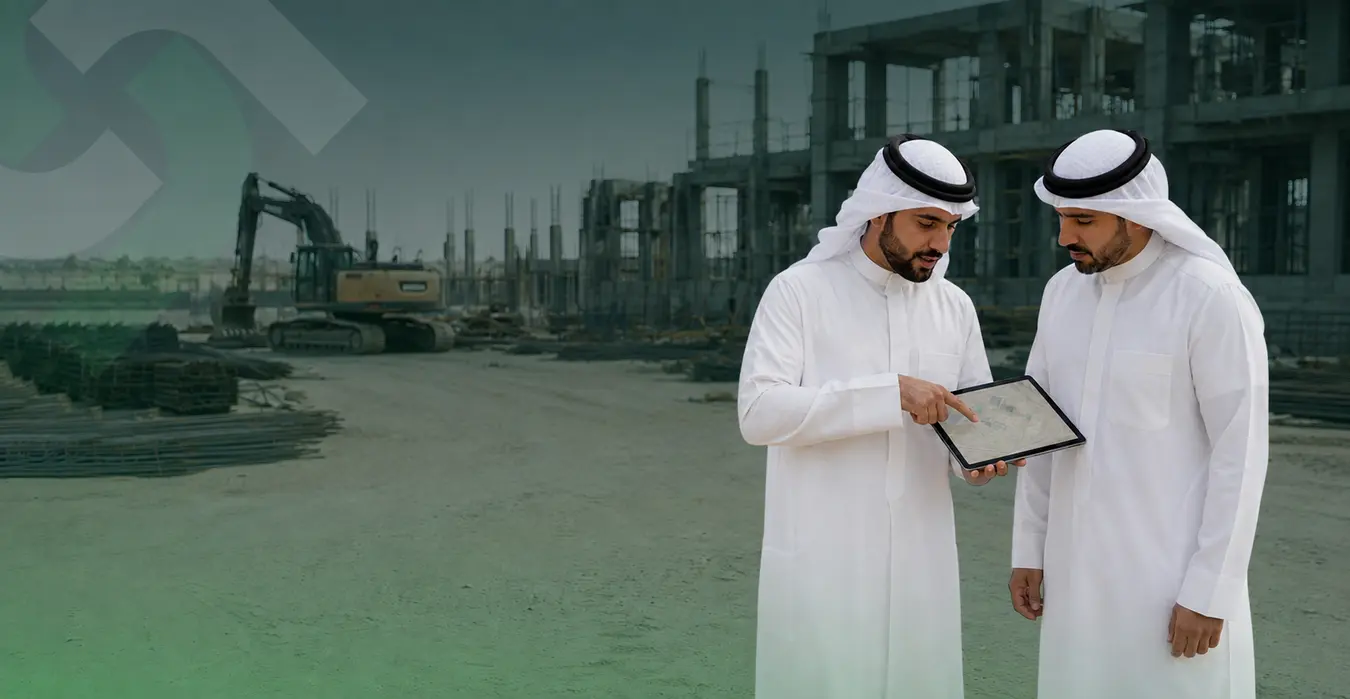
The appearance of an unusual odor inside a facility or in its surroundings may be an indicator that requires assessment, but odor alone is not sufficient to identify the cause or make operational decisions. For this reason, an odor source map within a facility in Kuwait represents an initial step that helps identify locations that may potentially be sources of odors before beginning environmental measurements or preparing technical reports.
This process is based on understanding the nature of the activity, reviewing operational areas, and analyzing field data, which helps support the selection of appropriate tests and improve environmental management.
In Kuwait, odor sources vary according to the type of facility, industrial sector, and nature of operational processes. Therefore, there is no single methodology suitable for every site. The quality of environmental consultancy depends on understanding project details and regulatory requirements, helping facilities make more accurate decisions and reduce operational and environmental risks.
Many industrial and commercial facilities therefore prepare an initial odor source map before implementing measurement programs or requesting environmental testing and analysis, with the aim of developing a clearer understanding of the situation and identifying inspection priorities in accordance with applicable environmental requirements and regulations in Kuwait.
A facility may need environmental consultancy when unusual odors appear, when observations related to air quality recur, or when environmental performance needs to be reviewed before expansion or operational changes.
Preparing an odor source map helps identify inspection areas, select appropriate studies or tests, and develop environmental management procedures according to the nature of the activity.
An odor source map helps transform general observations into organized information that can support decision-making.
Instead of assuming that an odor comes from a single source, the site is divided into operational areas and each area is analyzed independently.
Key benefits include:
The map also helps connect field observations with actual operating conditions, making environmental study results more realistic and accurate.
An odor source map is an organizational tool used to identify all locations within a facility that may emit odors, while recording the nature of each potential source, its likelihood of causing an impact, and the operational factors associated with it.
The map is not based on assumptions. Instead, it relies on:
This information is then used to establish inspection priorities and prepare an appropriate assessment plan.
Potential sources differ according to the activity, but several areas are commonly encountered in industrial and commercial facilities.
Operational areas are among the locations that most frequently require review, particularly when they involve manufacturing, material mixing, heating, or chemical treatment processes.
During the inspection, the following may be assessed:
Some odors may be associated with tanks used to store raw materials, products, or industrial liquids.
The inspection may include reviewing:
Ventilation systems play an important role in distributing air inside and outside the facility.
The review may therefore cover:
The existence of a ventilation system does not mean that every odor is related to it, but it remains an important element of the assessment.
Some odors may originate from waste storage or collection areas if they are not managed according to appropriate procedures.
The inspection may include reviewing:
This review can help determine whether waste-management procedures need to be improved as part of the Environmental Management Plan.
Some odors may be associated with drainage networks, service rooms, or collection points. These locations should therefore be included within the scope of the odor source map.
When Establishing a New Project
Preparing the map can help identify potential sources during the early stages of the project, supporting the inclusion of preventive measures within the Environmental Management Plan.
When Expanding a Facility
Adding new production lines or equipment may introduce different odor sources. The map should therefore be updated to reflect operational changes.
When Developing an Industrial Site
Development projects may require a review of the distribution of emission sources across the site, particularly if material movement, equipment locations, or ventilation systems have changed.
When Reviewing Environmental Compliance
An odor source map can be used as part of an environmental review to assess the effectiveness of existing measures and identify opportunities for improvement.
As Part of Performance Improvement and Sustainability Programs
Many facilities seek continuous improvement in environmental performance.
An odor source map provides information that can support decisions based on field data, strengthening sustainability programs and environmental management.
Moving directly to measurements or report preparation without understanding the distribution of potential odor sources may create several challenges.
Difficulty Selecting Appropriate Measurement Locations
Measurements may be conducted at locations that do not represent the actual odor source, potentially affecting the usefulness and accuracy of the results.
Longer Investigation Time
Without a clear understanding of the site, repeated field visits or additional testing may become necessary.
Higher Study Costs
When inspection priorities are unclear, measurements or analyses may be carried out that are not related to the actual source of the problem.
Difficulty Developing an Effective Environmental Management Plan
Environmental Management Plans depend on understanding potential sources of environmental impacts. Insufficient initial information may therefore reduce the effectiveness of proposed procedures.
Weak Documentation of the Situation
An organized map and field log help document locations, observations, and actions taken, making it easier to review the situation and monitor future changes.
In this context, environmental testing and analysis services can support the assessment stage by providing technical data where necessary, while Environmental Management Plans can organize preventive and operational procedures according to the nature of the facility and relevant environmental requirements in Kuwait.
Before requesting an odor source mapping service within a facility in Kuwait, it is important to collect basic information about the facility, nature of its activities, and current operating conditions.
The more accurate the initial information, the easier it becomes to define the scope of work and select appropriate tests or analyses.
The quality of environmental consultancy depends on understanding the activity and its regulatory requirements. Environmental requirements also differ according to sector, facility size, location, and type of operational processes.
The following checklist can be used as a practical reference before contacting an environmental consultancy team.
Clearly identify the nature of the facility, such as:
This helps identify the most likely odor sources and select an appropriate inspection methodology.
This includes identifying:
This information helps interpret odor movement and establish inspection priorities.
Is the project:
Expected odor sources may differ according to the project stage.
Important information may include:
If any of the following have previously been prepared, they should preferably be provided to the consultancy team:
These documents can help develop a clearer understanding of the current situation.
This may include:
Environmental requirements may vary according to the nature of the project and its sector, as well as relevant environmental regulations in Kuwait.
Reviewing these requirements helps define the appropriate study scope and procedures from the beginning.
It is useful to prepare an initial list of potential risks, including:
| Project Type or Situation | Appropriate Service | Objective |
|---|---|---|
| Unusual odors appear | Environmental testing and analysis | Collect technical data to support assessment of the situation |
| Need to identify odor sources | Odor source map + site inspection | Identify priority locations before measurements |
| Existing industrial facility | Environmental Management Plan | Organize preventive and operational procedures |
| New project | Environmental needs assessment | Determine required studies and services |
| Facility expansion | Environmental management review | Assess the impact of operational changes |
| Environmental performance review | Environmental audit | Improve compliance and identify improvement opportunities |
The final service should be selected after reviewing the nature of the activity and available information. It cannot be determined based on project type alone.
Selecting the right consultancy is important for obtaining a study based on field data and scientific analysis rather than assumptions.
Potential odor sources vary between industrial, food, chemical, and service facilities.
The consultancy should therefore have experience in the sector in which the facility operates.
The consultancy should understand applicable environmental requirements and regulations in Kuwait while recognizing that they may differ according to the type of activity and relevant regulatory authorities.
Some situations may require environmental measurements or analyses to assess air quality or other indicators.
It is therefore important that the consultancy can identify suitable tests and correctly interpret the results.
An environmental study typically begins with information gathering, followed by a site inspection, preparation of an odor source map, data analysis, and measurements where required, before progressing to the final report and recommendations.
Environmental consultancy should not be limited to report preparation.
It should also recommend practical measures appropriate to the nature of the facility and its operating conditions.
The better the team can connect operational processes with environmental aspects, the more accurate and useful the study results become for decision-making.
SSG Sustainable Solutions for Environmental Consultancy provides specialized services that help facilities in Kuwait assess their environmental conditions, analyze operational challenges, and select solutions appropriate to the nature of their activities.
Services include:
The scope of work is determined after reviewing project details and available information, helping provide solutions tailored to the needs of each facility rather than relying on generic or standardized approaches.
Start by contacting the team and explaining the nature of the problem or the objective of the consultancy.
This may include:
Specialists review the initial information to understand operating processes and surrounding site conditions.
After the review, it is determined whether the situation requires an odor source map, environmental testing and analysis, an Environmental Management Plan, or a combination of services.
This stage may include field visits, preparation of the odor source map, data collection, measurements where necessary, and analysis of results according to a clear methodology.
At the end of the study, a report is provided containing the findings, analysis of the situation, and recommendations that help the facility improve environmental management, develop operational procedures, and reduce potential risks.
If you notice unusual odors inside your facility or in its surroundings, preparing an odor source map is a practical step before beginning measurements or making operational decisions.
This process helps identify inspection priorities, understand operating conditions, and select suitable solutions according to the nature of the activity.
You can contact the SSG team for an initial assessment of your facility’s requirements and to determine whether the situation requires an odor source map, environmental testing and analysis, or preparation of an Environmental Management Plan in accordance with applicable environmental requirements in Kuwait and in support of the facility’s environmental performance.
An odor source map within a facility in Kuwait is an environmental assessment tool that helps identify locations and activities that may be associated with odors inside or around a facility.
The map is based on field inspection, review of operational areas, and analysis of available information to establish assessment priorities before environmental measurements or reports are prepared.
Preparing the map helps identify locations most likely to be associated with potential odors, making measurements and analysis more accurate and efficient.
Instead of conducting random tests, the assessment is directed toward areas that deserve investigation based on the nature of the activity, operating conditions, and field observations.
Areas commonly assessed include:
The inspection scope varies according to the nature of the facility and its operations. Priority areas should therefore be identified after reviewing the details of the activity.
Yes.
Potential odor sources vary according to sector and operational processes. Sources in an industrial facility may differ from those in a food facility, commercial facility, or storage operation.
The assessment therefore depends on understanding the nature of the activity, scale of operations, materials used, and surrounding site conditions.
An odor source map focuses on identifying locations and activities potentially associated with the odor.
Environmental testing and analysis provide technical data and measurements that can help assess the situation where necessary.
The map is therefore often used as an organizational step to guide subsequent inspection and measurement activities more efficiently.
Yes.
The map provides field information that can support the development of Environmental Management Plans and improvements to operating procedures.
It also helps facilities understand potential sources of environmental impacts and establish appropriate monitoring, follow-up, and risk-reduction measures.
SSG provides environmental testing, analysis, and consultancy services as well as Environmental Management Plan preparation and environmental supervision of projects.
The scope of service is determined after reviewing the nature of the facility and available information so that appropriate procedures can be selected for each situation.
Important information includes:
This information helps develop an initial understanding of the situation and select the appropriate assessment methodology.

What is an environmental emergency plan review? It is a structured check...
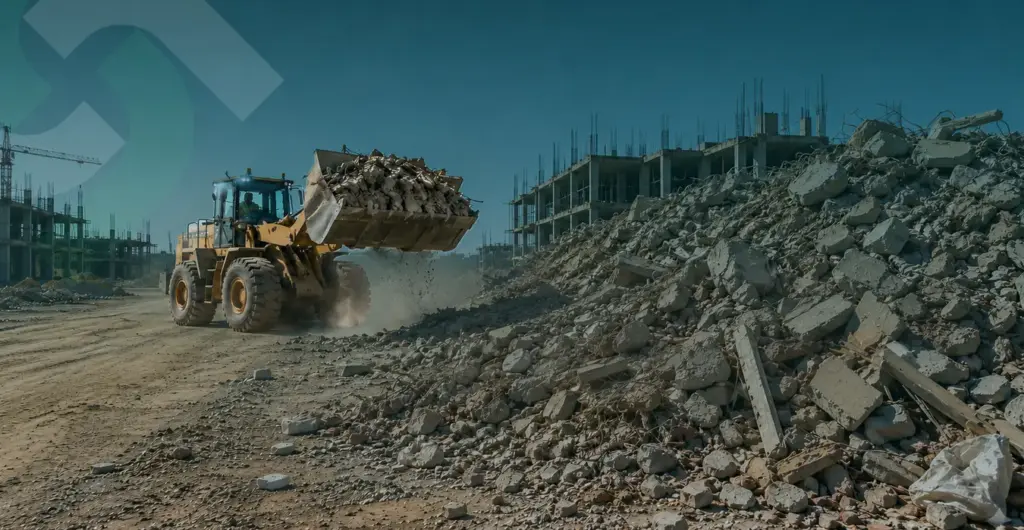
Bulky waste in facilities in Kuwait represents an administrative and environmental challenge...
Sorry, this entry is only available in العربية.