

Thursday June 12th, 2025
Water Resources Management: Challenges and Innovative Solutions
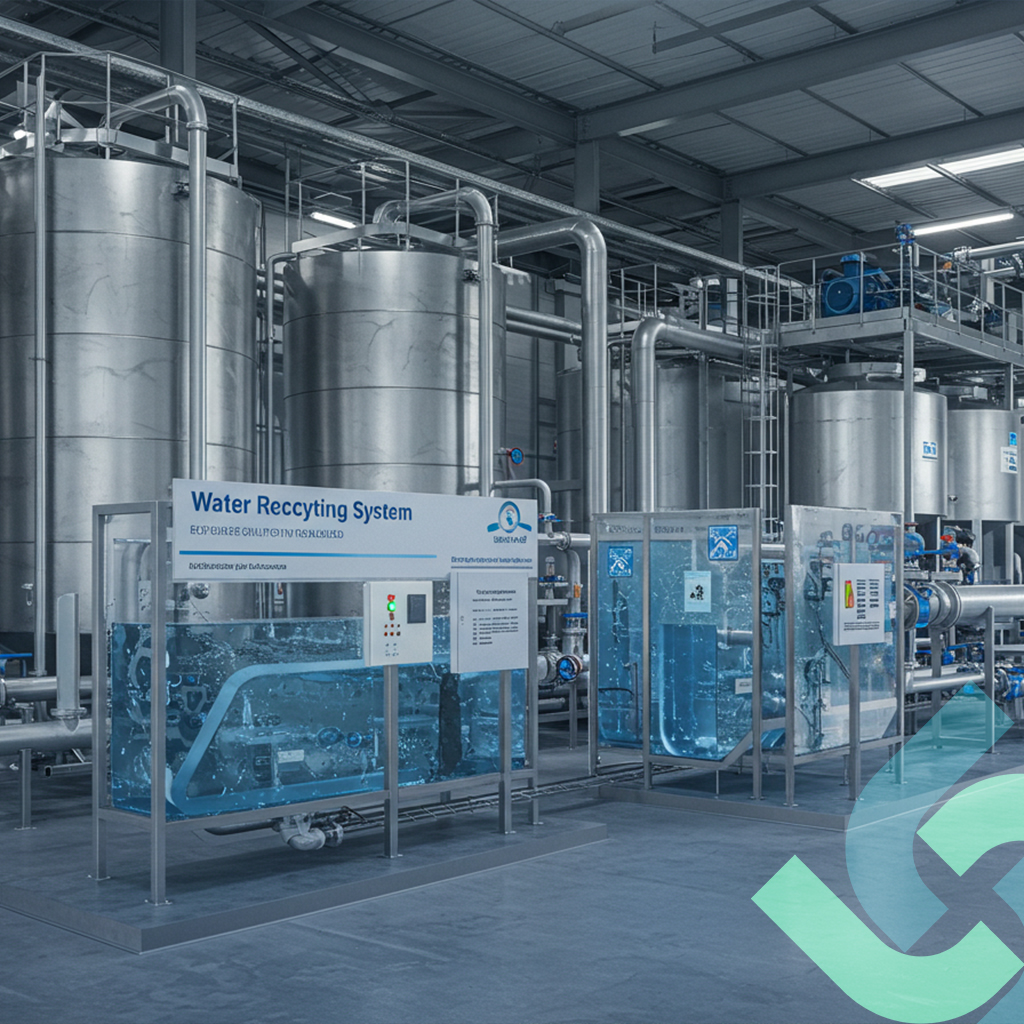
Water resources face growing pressures due to rapid population growth and ongoing...
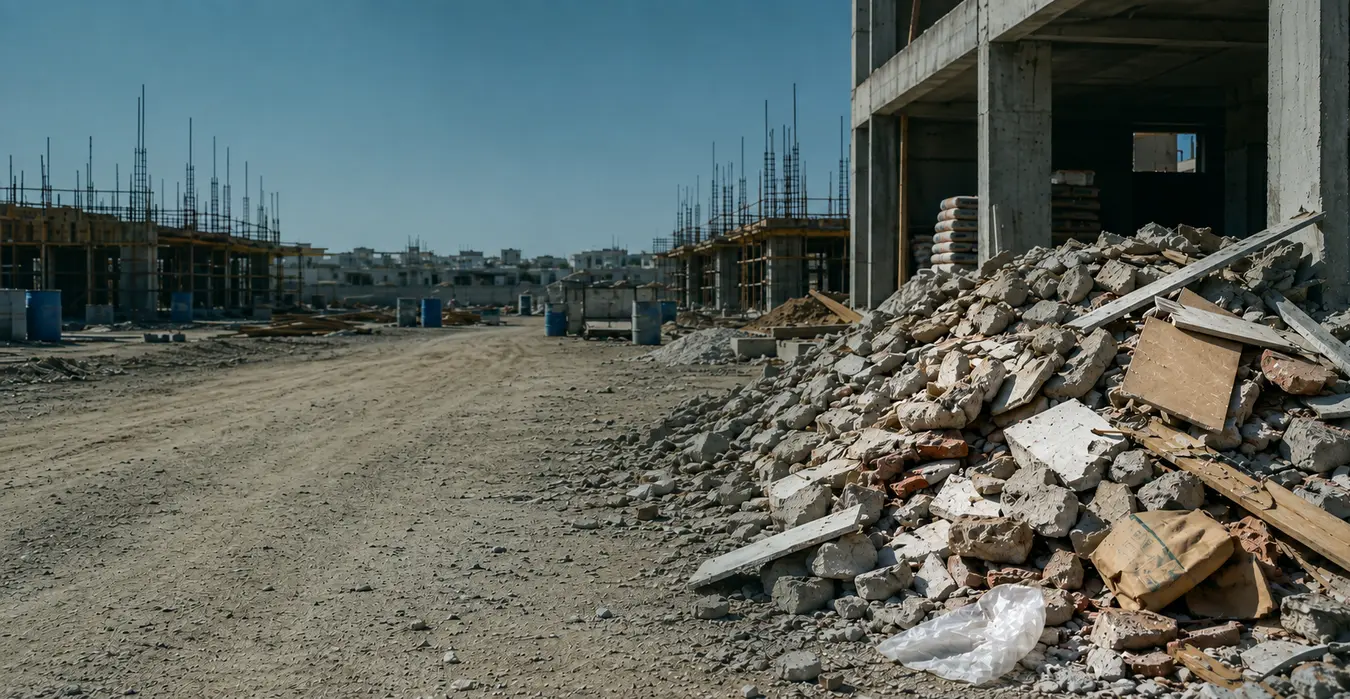
Properly managed waste collection points around the site in Kuwait help companies and projects organize the handling of waste generated by construction or operational activities and reduce the chance that these points become a source of complaints or environmental observations.
Accumulated waste or poorly organized containers near a site can affect the general appearance of the area and increase the likelihood of odors, pests, or comments from workers, neighboring communities, or surrounding facilities.
Effective environmental management therefore depends on selecting suitable collection locations, setting clear follow-up mechanisms, and ensuring that waste is handled in line with the relevant environmental requirements in Kuwait.
Waste management is a key element in the success of any construction or operational project, especially sites with daily movement of workers and equipment or projects that generate different quantities of solid and liquid waste.
In many cases, the problem does not begin with the amount of waste itself, but with how it is managed inside and around the site. Choosing an unsuitable collection area, delaying waste removal, or failing to follow up daily can lead to environmental observations that could have been avoided through proper planning.
Managing waste collection points around the site in Kuwait creates a clear system for handling waste by identifying collection areas, organizing containers, monitoring external cleanliness, and applying procedures that reduce potential environmental impacts.
The quality of waste management depends on understanding the nature of the project, the scale of operations, the type of waste generated, and the environmental requirements applicable in Kuwait. Companies need practical solutions that fit site conditions rather than relying on generic procedures.
Through solid and liquid waste management services and environmental supervision for projects, SSG helps facilities develop more organized practices and improve environmental compliance during construction and operation stages.
A project may need environmental consultancy when the nature of the activity requires organized waste management, or when there are challenges such as waste accumulation, cleanliness-related complaints, or a need to improve site procedures.
Environmental consultancy helps assess the current waste handling process, identify weaknesses, and propose practical measures such as organizing collection points, improving follow-up, and supporting compliance with relevant environmental requirements.
Organizing waste collection areas is not only about improving the site’s appearance. It is also connected to several operational and environmental factors that affect project performance.
When waste accumulates near the site or is placed in unsuitable areas, it may trigger observations from workers, residents, nearby businesses, or concerned authorities.
A clear system for collection, transportation, and follow-up helps reduce these situations by dealing with waste before it becomes a problem.
Unorganized waste may create operational hazards, such as:
For this reason, waste management is an important part of the Health, Safety, and Environment (HSE) system.
Environmental requirements differ according to activity type, project scale, and location. Organized waste management helps improve compliance with the required environmental procedures.
This does not mean that all projects need the same procedures. The scope of work should be defined according to the nature of the activity and the relevant environmental regulations.
An organized site reflects effective operational management, especially for projects located near residential, commercial, or industrial areas.
Managing waste collection points means identifying and organizing the places where waste is temporarily gathered inside or near the site, while setting a clear mechanism for handling it until it is transported or disposed of appropriately.
Good management of collection points includes several elements.
Suitable locations should consider:
Handling methods differ depending on the waste type, such as:
Ongoing follow-up helps detect issues early, such as:
Waste transportation or disposal should be handled according to the procedures and requirements applicable in Kuwait and in a way that fits the nature of the waste.
Collection points may turn into a source of observations or complaints when there is no clear management process. Common situations include the following.
Delayed waste removal increases accumulated quantities and may affect the site environment and surrounding areas.
Placing containers or collection areas near the following can increase the likelihood of complaints:
When waste is not organized according to its nature, handling becomes more difficult and operational issues are more likely to appear.
Without a clear follow-up record, it becomes difficult to know:
Identifying waste collection points inside a project is not about choosing any empty space. It requires studying the nature of the activity, operational movement, generated waste types, safety requirements, and environmental management needs.
The process usually starts with a field inspection of the site and a review of daily operations to understand where waste is generated and how it moves from the source to the collection point.
Key factors to assess include the following.
Waste collection points differ by project type. For example:
This is why the quality of the environmental solution depends on understanding the activity rather than applying one model to every site.
The collection location should balance accessibility with minimizing impact on work areas.
Common considerations include:
Before determining collection areas, it is important to know:
This data helps design a more efficient waste management system.
Defining the waste location alone is not enough. There should be a clear follow-up mechanism that includes:
A field record helps site managers detect issues early before they develop into repeated complaints or observations.
Before starting any environmental assessment or study, the facility should prepare information that helps define the right service.
Is the project:
The review should consider:
Is the project:
This includes:
Examples include:
Examples include:
Requirements differ according to the project type and the competent environmental authorities in Kuwait. The scope of work should be defined after reviewing the details of the activity.
| Project type | Suitable service | Objective |
| New construction project | Environmental management plan | Organize waste handling during construction stages |
| Existing industrial facility | Environmental assessment and review | Identify waste sources and opportunities to improve management |
| Site with complaints or observations | Field inspection and current-condition analysis | Identify causes and set suitable corrective measures |
| Expansion project | Review of environmental requirements | Assess the impact of new changes on environmental management |
| Facility that needs performance improvement | Sustainability and waste management programs | Improve practices and reduce waste |
Environmental management plans are important tools that help projects create a clear framework for handling different environmental aspects, including waste management.
A plan usually includes the following.
This involves identifying:
These may include:
This can be done through:
This is where the value of a specialized environmental consultancy appears: understanding the site conditions and providing practical solutions that can be implemented.
Choosing the right provider is not only about report writing. It is about the ability to understand project conditions and translate environmental requirements into practical procedures.
Key criteria include the following.
It is preferable to work with a provider that understands different sectors, such as:
Waste characteristics differ from one sector to another.
Effective environmental work requires visiting the site and understanding actual operations, not relying only on theoretical information.
This may include:
Recommendations should be:
Required procedures differ by project type and relevant environmental regulations. Facilities therefore need consultancy based on a clear understanding of the local regulatory environment.
SSG Sustainable Solutions Group provides environmental services that help companies and projects in Kuwait improve waste management and strengthen environmental follow-up for their sites.
SSG services include the following.
This may include:
These plans help create clear procedures that cover:
Environmental supervision supports the follow-up of procedures inside the site, the observation of issues, and the preparation of reports that help management make clearer decisions.
In some cases, the facility may need assessments or analysis related to environmental indicators, depending on the nature of the problem or activity.
When a site has a problem related to waste accumulation, or when the facility needs to improve its environmental management system, the first step is to understand the project and identify its real needs instead of applying generic solutions.
SSG follows an organized methodology that helps facilities reach environmental solutions that suit their activities.
The process begins by discussing the project or current problem, whether it is related to:
At this stage, initial information is collected to understand the need.
The basic data reviewed may include:
This information helps define the suitable scope of work.
A field inspection is an important step for understanding the real situation inside the facility. It helps with:
The actual operation of the site may differ from written procedures, so a field visit is an essential part of preparing recommendations.
After reviewing project details, the suitable solution is identified. This may include:
The suitable service differs from one project to another depending on the sector, scale of operations, and potential risks.
At this stage, the required assessments or reports are prepared based on the available information and the review findings.
This may include:
At the end, the facility receives clear recommendations that help it:
Managing waste collection points around the site in Kuwait helps prevent unorganized waste accumulation and reduces the chance of operational or environmental problems. Proper management starts by identifying suitable collection areas, monitoring waste sources, and setting clear procedures for collection, storage, and transportation according to the nature of the project.
A facility may need an environmental review when waste accumulates repeatedly, when there are site-related complaints, when the scale of operations changes, or when a new operational stage begins. An environmental review helps identify the causes of the issue and set suitable improvement measures.
Yes. Waste management differs according to the activity type, project size, and location. Construction projects differ from industrial or commercial facilities in terms of waste types, quantities, and handling methods. Solutions should therefore be defined after studying the details of each project separately.
Waste management focuses on organizing waste collection, classification, storage, and transportation. Environmental supervision focuses on monitoring the implementation of environmental procedures on site, recording observations, and preparing reports. In many projects, both work together to achieve more efficient environmental performance.
Yes. SSG provides environmental consultancy services for different projects and sectors, including industrial, construction, and infrastructure projects. The scope of service is defined based on the nature of the activity, project requirements, and environmental needs.
The consultation usually requires information such as the activity type, project location, operational stage, generated waste types, current procedures, and any available environmental reports or data. This information helps identify the right service and prepare more accurate recommendations.
In many cases, environmental performance can be improved by developing existing procedures, organizing follow-up, and defining responsibilities more clearly. The level of change required depends on site condition, activity type, and the findings of the environmental assessment.
If you are facing challenges related to waste collection points around the site in Kuwait, or if you need to develop a waste management system inside your facility, the SSG team can help assess the current situation and identify environmental solutions that suit your project.
SSG services help companies and projects in Kuwait improve environmental management, organize monitoring activities, and reduce risks related to poor waste management through practical methodologies based on site needs.
Water resources face growing pressures due to rapid population growth and ongoing...
Sorry, this entry is only available in العربية.
Sorry, this entry is only available in العربية.