When a Strong Odor Appears Near the Site: When Does a Facility Need Field Measurement?
08 Aug

When a Strong Odor Appears Near the Site: When Does a Facility Need Field Measurement?

Saturday August 8th, 2026

Before conducting field measurements when an odor appears in Kuwait, it is important to collect basic information about the facility and its current operating conditions. This step helps the environmental consultancy team understand the nature of the situation and define the appropriate scope of inspection instead of carrying out general procedures that may not be related to the actual source of the problem.

The quality of environmental testing and analysis depends on the accuracy of the initial information, as odor sources and assessment requirements vary according to the type of activity, facility size, location, and the nature of the operations taking place within it.

The following are the main points that should be reviewed before requesting environmental consultancy or a field inspection:

Type of Activity

Identifying the nature of the activity is the first step in assessing any issue related to odors or air quality.

The following should be clarified:

  • Type of facility.
  • Nature of operating processes.
  • Materials used.
  • Equipment present.
  • Production or operating capacity.

Odor sources in an industrial facility may differ significantly from those in a commercial facility or service facility.

Project Location and Surrounding Area

The geographical location helps in understanding the conditions that may affect odor dispersion.

Important information includes:

  • Facility location within Kuwait.
  • Proximity to residential areas.
  • Presence of neighboring facilities.
  • Nature of the surrounding area.
  • Locations where employees or visitors gather.

This information helps determine the scope of inspection and the appropriate field-review locations.

Project Stage

The need for environmental measurement varies according to the project stage.

A facility may require assessment in situations such as:

  • A new project before operation.
  • A facility that has recently started operating.
  • Expansion of production lines.
  • Replacement or modification of equipment.
  • Changes to ventilation systems.
  • Increased operating capacity.

Each stage has different requirements, so the scope of work is determined after reviewing the details of the situation.

Scale of Operations

The scale of the activity helps determine the level of assessment required.

Important information includes:

  • Number of operating hours.
  • Number of shifts.
  • Quantity of materials used.
  • Number of production lines.
  • Main equipment.
  • Recent operational changes.

Previous Studies and Reports

Existing information can help develop a more accurate understanding of the situation.

Examples include:

  • Previous environmental reports.
  • Air-quality testing results.
  • Previous environmental assessments.
  • Environmental Management Plans.
  • Maintenance reports.
  • Complaint or observation records.

This information helps compare current conditions with previous conditions and identify points of change.

Available Environmental Data

The more information available, the more accurate the assessment can be.

This may include:

  • Site maps.
  • Operational layouts.
  • Equipment locations.
  • Ventilation information.
  • Waste records.
  • Information about materials used.
  • Previous monitoring results.

Relevant Regulatory Requirements

Environmental requirements vary according to the type of activity and sector. Therefore, relevant environmental regulations and applicable requirements in the State of Kuwait should be reviewed.

Some projects may also need to consider requirements from competent environmental authorities in Kuwait or other regulatory authorities associated with the nature of the project.

Potential Environmental Risks

Before conducting measurements, it is useful to identify the main observations, such as:

  • Expected odor source.
  • Time when the odor appears.
  • Frequency of occurrence.
  • Whether it is associated with a particular operating process.
  • Recent changes at the site.

This helps direct the inspection process more efficiently.

Practical Table to Help You Choose the Appropriate Environmental Service

Facility Situation Appropriate Service Objective
Unusual odor appears around the site Field measurement and environmental testing Collect data to support assessment of the situation
Odor source is unknown Site inspection and emission-source analysis Identify priority areas
Changes have occurred in operations Environmental review + testing and analysis Assess the impact of new operational changes
Existing industrial facility Environmental Management Plan Organize preventive and operational procedures
New project Environmental needs assessment Identify required studies before implementation
Repeated complaints Organized environmental assessment Document the condition and develop suitable recommendations

Choosing the appropriate service depends on reviewing the details of the project, not simply on the presence of an odor or environmental observation. Therefore, the scope of work should be determined after an initial review of the situation.

How Do You Choose an Environmental Consultancy Company in Kuwait?

Selecting an appropriate environmental consultancy helps facilities obtain assessments based on a clear methodology and technical data that can be analyzed.

Important criteria include:

Experience With the Nature of the Activity

Environmental requirements vary between sectors, so it is important to select a consultancy that understands industrial, commercial, and construction activities.

Practical experience helps with:

  • Identifying potential sources of the problem.
  • Selecting appropriate tests.
  • Interpreting results correctly.
  • Providing practical recommendations.

Ability to Conduct Testing and Analysis

Environmental assessment is not limited to field observation. Some situations may require testing or analysis to obtain more accurate data.

The company should therefore be able to:

  • Define the appropriate scope of testing.
  • Collect data in an organized manner.
  • Analyze results.
  • Prepare technical reports.

Understanding Environmental Requirements in Kuwait

Facilities need to deal with applicable environmental requirements and regulations in Kuwait according to the nature of their activities.

Choosing a consultancy that understands the local regulatory environment can help produce studies that are more closely aligned with project requirements.

A Clear Working Methodology

Good environmental consultancy follows clear steps beginning with:

  • Reviewing project information.
  • Visiting the site where necessary.
  • Identifying potential sources of impact.
  • Conducting appropriate tests.
  • Analyzing the results.
  • Preparing recommendations.

Providing Practical Solutions, Not Reports Only

The purpose of environmental consultancy is not simply to prepare a theoretical report. It should help the facility understand its current condition and identify procedures that can be improved.

Practical solutions can help:

  • Improve operating procedures.
  • Strengthen environmental management.
  • Reduce risks.
  • Support sustainability programs.

How Can SSG Help You Achieve Your Environmental Objectives?

SSG Sustainable Solutions for Environmental Consultancy helps facilities in Kuwait assess environmental challenges associated with their operations and determine the appropriate services according to the nature of the activity and operating conditions.

Through environmental testing and analysis services, facilities can be supported in collecting the information required to understand conditions related to air quality, odors, and other environmental aspects.

SSG services include:

  • Environmental testing and analysis.
  • Air-quality assessment.
  • Preparation of environmental studies and reports.
  • Preparation of Environmental Management Plans.
  • Environmental supervision of projects.
  • Environmental risk assessment.
  • Support for compliance with relevant environmental requirements.

The working methodology begins by reviewing project details and then defining the appropriate scope of service according to the facility and its environmental objectives.

Steps to Request Environmental Consultancy From SSG

Contact the SSG Team

The first step is to explain the nature of the situation, such as the appearance of an unusual odor, the need to review air quality, or the need to assess a particular environmental condition.

Send Project Information

Basic information should be provided, such as:

  • Type of activity.
  • Facility location.
  • Description of the problem.
  • Times when the odor appears.
  • Any previous reports or data.

Review the Nature of the Activity

Specialists review the operations and site characteristics to understand potential sources of impact.

Determine the Appropriate Service

After reviewing the initial information, it is determined whether the facility requires:

  • Field measurement.
  • Environmental testing and analysis.
  • Environmental review.
  • Environmental Management Plan.
  • Additional services according to the situation.

Conduct the Inspection or Study

This stage includes collecting the necessary information and carrying out appropriate assessments according to a clear methodology.

Provide Findings and Recommendations

After completion of the assessment, findings and recommendations are provided to help the facility improve environmental performance and make clearer decisions.

Contact SSG for a Specialized Environmental Assessment

If a strong odor appears near your facility or you need to review air-quality conditions inside or around the site, beginning with an organized field assessment can help identify the source of the problem and determine the appropriate next steps.

You can contact SSG for an initial assessment of project requirements and to identify the appropriate environmental service, whether environmental testing and analysis, preparation of an Environmental Management Plan, specialized environmental support, or field measurement when an odor appears, to help improve the facility’s environmental performance.

Frequently Asked Questions About Air-Quality Measurement When an Odor Appears in Kuwait

1. When Does a Facility Need Field Measurement When an Odor Appears in Kuwait?

A facility may need field measurement when repeated or unusual odors appear and their source is difficult to identify, or when observations are reported by employees or surrounding areas.

A field assessment helps understand current environmental conditions and determine whether additional testing, analysis, or other measures are required according to the nature of the activity.

2. Does the Appearance of an Odor Mean There Is Definitely an Environmental Problem?

Not necessarily.

The odor may be associated with different operational factors, such as materials used, ventilation systems, storage practices, or waste management.

The cause therefore cannot be determined from the odor alone. The facility needs an organized assessment based on field inspection and appropriate environmental data.

3. What Is the Difference Between a Field Inspection and Environmental Testing and Analysis?

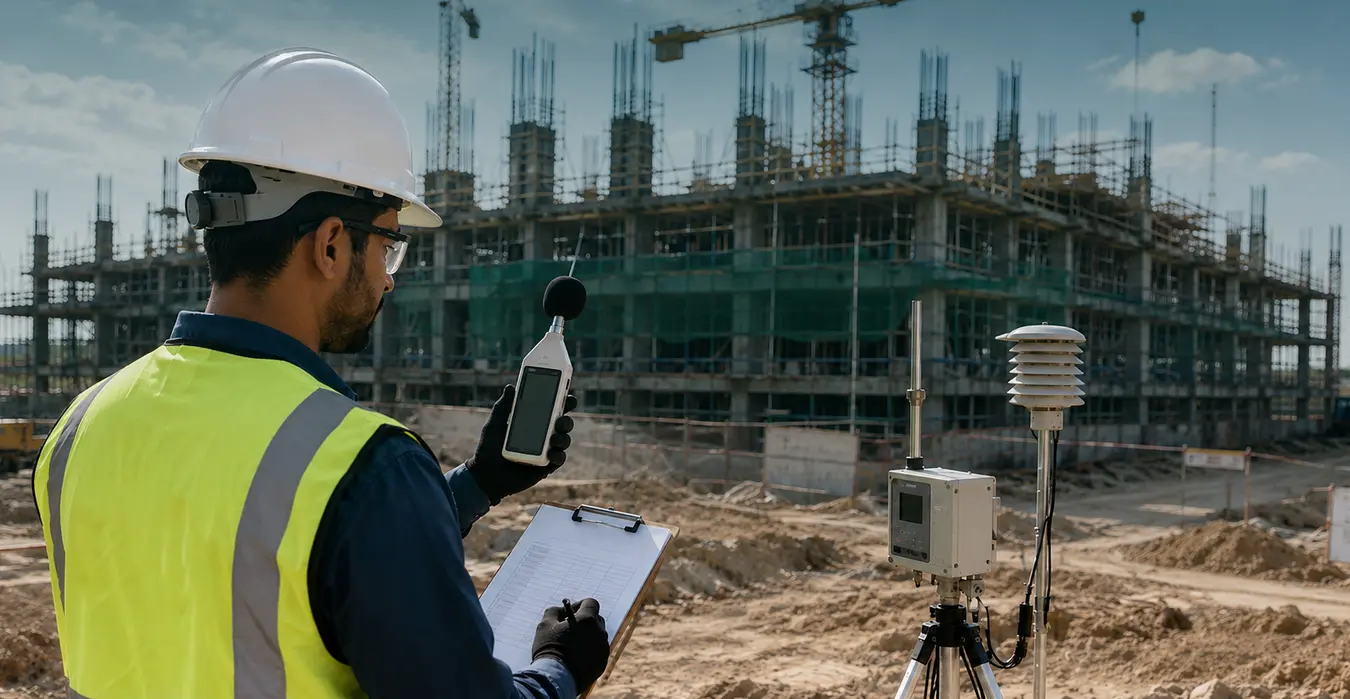
A field inspection focuses on reviewing the site, identifying potential sources of impact, and understanding operating conditions.

Environmental testing and analysis, on the other hand, are intended to collect data and measurements that help assess the situation more accurately.

The need for testing is often determined after reviewing the site and the nature of the problem.

4. Do Air-Quality Measurement Procedures Differ According to the Type of Facility?

Yes.

Assessment procedures vary according to the nature of the activity, facility size, and existing operations.

Industrial facilities may have different requirements from commercial facilities or service facilities. Therefore, the measurement scope is determined after reviewing project details and surrounding conditions.

5. What Information Is Required Before Starting an Air-Quality Assessment?

Important information includes:

  • Type of activity.
  • Facility location.
  • Nature of operating processes.
  • Potential odor sources.
  • Times when the odor appears.
  • Recent operational changes.
  • Any previous environmental reports or measurements.

This information helps determine an appropriate assessment methodology.

6. Does SSG Provide Environmental Testing and Analysis Services?

Yes.

SSG provides environmental testing, analysis, and consultancy services for projects and facilities in Kuwait.

The scope of service is determined after reviewing the nature of the activity and the project’s environmental requirements, helping collect appropriate information and support environmental decision-making.

7. Can Field Measurement When an Odor Appears Help Reduce Operational Risks?

Yes.

An environmental assessment based on field data helps identify potential sources of impact and opportunities for improvement.

It also supports facilities in developing environmental management procedures and improving the way situations that may affect operations or relationships with surrounding areas are handled.

8. Does Every Facility Need the Same Type of Environmental Testing?

No.

Required services vary according to the sector, project size, nature of operations, and location.

Therefore, appropriate testing or studies should be selected after an initial review of the specific situation rather than simply because an odor has been detected.