

Sunday August 30th, 2026
Dust Drifting Beyond Site Boundaries in Kuwait: How Can You Reduce Its Impact on Neighboring Areas?
Dust drifting beyond site boundaries in Kuwait can be reduced by combining...
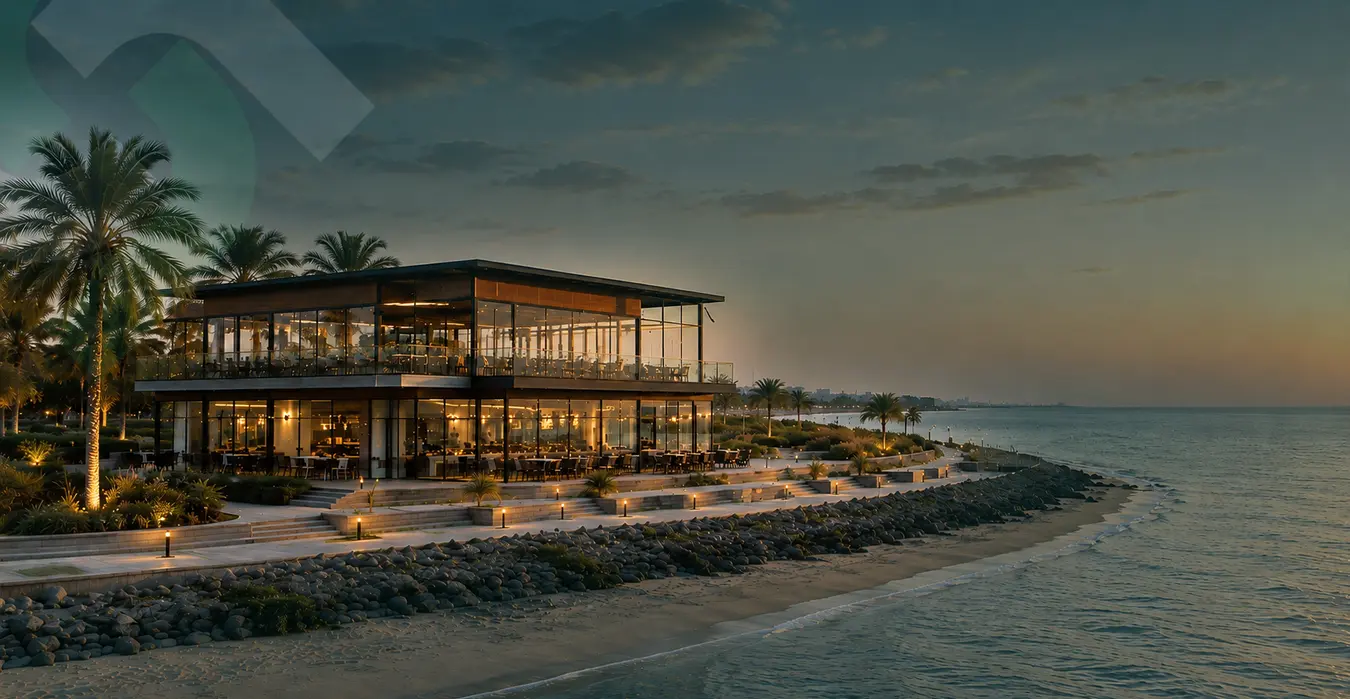
A Coastal Water Inspection Plan for Projects in Kuwait helps companies and facilities located near coastal areas respond to complaints or environmental changes using a systematic approach based on data collection and analysis rather than relying on unverified observations.
When a complaint arises regarding the odor of the water or a change in its characteristics near a project site, the first step usually involves identifying potential sources of impact and selecting suitable inspection points to obtain more accurate results.
Inspection procedures vary according to the nature of the project, its location, the type of activity, and the relevant environmental requirements in the State of Kuwait.
Projects located near the sea face environmental challenges that differ from those located inland, as coastal activities are influenced by multiple factors such as water movement, operating conditions, facility discharges, climatic conditions, and nearby activities.
When a complaint is received regarding coastal water quality or an unusual odor appears near the project, making an immediate decision without a field investigation may lead to an inaccurate diagnosis of the problem.
For this reason, facilities rely on a Coastal Water Inspection Plan for Projects in Kuwait to determine sampling points, review potential impact sources, and conduct suitable testing and analysis.
The quality of an environmental assessment depends on understanding the nature of the activity, the project location, and the surrounding conditions. Field environmental testing also helps companies make clearer decisions and reduce risks related to operation or expansion.
Through environmental testing and analysis services and environmental supervision of projects, SSG helps facilities assess environmental conditions and collect the information required to prepare practical reports and recommendations appropriate to the nature of the project.
A project may require environmental consultancy when indicators arise that require field verification, such as:
Environmental consultancy helps determine whether measurements, analyses, or a review of operational procedures are required.
The scope of work is determined according to the nature of the project and the relevant environmental requirements.
An environmental inspection plan is an important step for projects located near coastal areas because it helps move from general observation to a scientific, data-based assessment.
When a change occurs in the water surrounding a project, the cause may not necessarily be related to the facility itself.
Other factors may include:
Selecting appropriate inspection points therefore helps compare data from multiple locations and determine whether there is any relationship between project activities and the observed changes.
The main benefits of preparing a clear inspection plan include:
Instead of conducting random analyses, locations most closely associated with the activity or complaint are identified, helping produce more useful results.
Testing and analysis results provide information that helps project managers and environmental and safety personnel take appropriate actions based on field data.
Periodic inspections and environmental reviews help monitor performance and verify whether operations are aligned with applicable environmental requirements and regulations in Kuwait.
Early identification of potential environmental changes helps facilities respond before they develop into larger operational problems.
Coastal water inspection is a field and laboratory assessment process aimed at studying water characteristics near a project site by collecting samples from selected points and analyzing them according to the required scope of the assessment.
The inspection is not based on taking only one sample.
The work plan is developed according to several factors, including:
The inspection process generally includes:
Inspection locations are selected in a way that helps understand environmental conditions around the project.
They may include:
Samples are handled according to appropriate procedures to preserve the accuracy of results, while recording information related to the time and location of sampling.
The required tests vary according to the nature of the project and the objective of the assessment.
They may include indicators related to:
The information is organized and analyzed to highlight key observations and provide recommendations appropriate to the project’s situation.
Inspection is not only associated with the existence of an obvious problem.
It can also form part of preventive environmental management for coastal projects.
Situations in which a facility may require field assessment or inspection include:
For example:
In these situations, inspection helps collect actual data rather than relying only on impressions.
New projects may need to assess surrounding environmental conditions before operation begins, particularly where activities may involve water use or operational discharges.
An increase in the scale of operations may alter the nature of potential environmental impacts.
An environmental review therefore helps identify new requirements for inspection and monitoring.
Some facilities use testing and analysis as part of environmental monitoring programs and operational performance improvement.
Selecting inspection points is one of the most important stages in preparing a Coastal Water Inspection Plan for Projects in Kuwait, because the quality of the results depends greatly on how closely the sampling locations relate to the nature of the activity and the issue being investigated.
There is no single inspection point suitable for every project.
The plan varies according to:
When defining inspection points, several factors are usually reviewed.
The facility’s proximity to coastal waters affects how the inspection plan is designed.
Projects located directly on the coast differ from facilities located farther inland that may still have an indirect impact.
Areas potentially related to the operational activity are reviewed, such as:
Water movement and marine currents may affect how potential changes spread.
Selecting multiple points can therefore help provide a clearer understanding of environmental conditions.
If the issue relates to water odor, for example, the inspection points may differ from those selected for a change in water color or another water-quality observation.
For this reason, specialized environmental consultancy evaluates site conditions before defining the testing scope rather than applying one fixed procedure to every project.
Before beginning any environmental inspection or analysis, it is important to prepare basic information that helps determine the appropriate service.
Is the project:
Identify the location of the facility and its relationship to:
Is the project in:
Identify the processes carried out within the facility and the materials or systems used.
Is the purpose:
Any previous environmental reports or analytical results can help explain the current situation.
Examples include:
Environmental requirements vary according to the project type and associated regulatory authorities.
Identify activities or areas that may require greater environmental monitoring.
A facility may notice a change in the water or an unusual odor near the site, but the observation alone is not always sufficient to identify the cause.
There is a difference between:
This involves recording the presence of a visible or noticeable change, such as:
This is a structured process based on:
This type of assessment helps companies make decisions based on data rather than taking actions that may not address the actual source of the problem.
| Project Type | Appropriate Service | Objective |
|---|---|---|
| Project near the coastline | Environmental testing and analysis | Assess water quality and collect field data |
| Coastal industrial facility | Environmental performance assessment and periodic testing | Monitor potential impacts |
| New project near the sea | Environmental studies and Environmental Management Plans | Identify requirements before implementation |
| Existing facility with an environmental complaint | Field inspection and data analysis | Identify potential sources and develop recommendations |
| Expansion project | Environmental project review | Assess changes resulting from increased operations |
Effective environmental management does not begin only after a problem occurs.
It depends on continuous monitoring and an understanding of potential sources of impact.
Measures that can help facilities improve environmental performance include:
A monitoring program helps track environmental indicators associated with the nature of the activity and identify changes that require review.
For example:
Maintaining an organized record makes environmental assessment and decision-making easier.
Testing should not be treated as an isolated activity.
It can be integrated into the project’s Environmental Management Plan to ensure that potential risks are managed in an organized manner.
SSG Sustainable Solutions Group provides environmental services that help facilities and projects in Kuwait assess environmental conditions through a methodology based on studying the nature of the activity, collecting data, and analyzing results.
SSG services in this area include:
The first step is to understand:
This helps define the appropriate scope of work.
Environmental testing helps collect field information that can be relied upon when reviewing project environmental conditions.
You can learn more about SSG’s Environmental Testing and Analysis Services and the available scope of services.
During construction or operation, environmental monitoring helps review procedures and reduce the likelihood of operational problems associated with environmental conditions.
The quality of environmental supervision depends on understanding the project and its requirements rather than applying generic solutions to every activity.
Environmental plans help facilities organize:
according to the nature of the project.
The process generally includes several stages:
Provide initial information about the project and the issue or objective of the inspection.
The project location, type of operations, and surrounding conditions are assessed.
The project may require:
depending on the situation.
The required data is collected and the appropriate assessments are carried out.
The results are organized and recommendations are provided to help project management make clearer decisions.
A facility may need coastal water inspection when there are indicators requiring verification, such as:
Inspection may also be carried out as part of environmental monitoring programs for coastal projects, depending on the nature of the activity and relevant requirements.
The plan helps determine suitable sampling points and organize the inspection process systematically.
It also helps companies collect information that can be used to understand environmental conditions and take appropriate action rather than relying on assumptions or undocumented observations.
Yes.
Inspection points vary according to:
A coastal industrial project may require a different inspection scope from a commercial or service-related project located near the sea.
Testing and analysis focus on collecting and measuring environmental data through samples and inspections.
Environmental consultancy includes:
according to the nature of the project and relevant environmental requirements.
Yes.
SSG provides environmental services including:
The scope of work is determined according to the nature, location, and environmental requirements of the project.
Basic information includes:
This information helps define an appropriate scope of work.
If you manage a project near the coastline or need to assess the quality of water surrounding your facility, beginning with an organized environmental inspection can help you understand the situation more clearly and identify appropriate actions.
Contact SSG for an initial assessment of your project requirements and to determine suitable environmental testing, analysis, or environmental supervision services.
If you are planning a new project or need to review the environmental conditions of your facility in Kuwait, you can contact SSG to assess project requirements and determine the appropriate environmental service.

Dust drifting beyond site boundaries in Kuwait can be reduced by combining...
An attendance record alone does not reduce spills, waste-segregation errors, or complaints...
Sorry, this entry is only available in العربية.